Structure in Fabric: Create an Interesting Look with Texture

Structure in Fabric: Create an Interesting Look with Texture
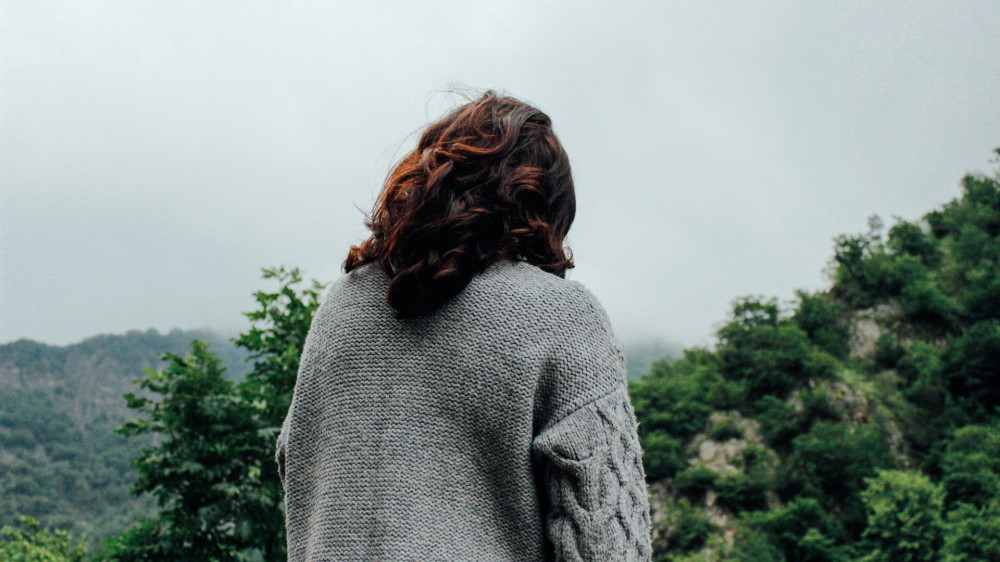
When it comes to personal style, it’s not just about color or cut – texture plays a huge role too. Texture gives clothing depth, character, and a sense of life. It’s what makes a chunky knit feel cozy, a silk blouse look refined, and a wool coat exude warmth and quality. In this article, we’ll explore how you can use texture intentionally to create an interesting and balanced look.
What Is Texture – and Why Does It Matter?
Texture refers to the surface quality of a fabric: whether it’s smooth, rough, soft, shiny, or matte. It affects not only how a garment looks but also how it feels against your skin. Mixing different textures can make an outfit more dynamic and visually appealing – even if you’re working with neutral colors.
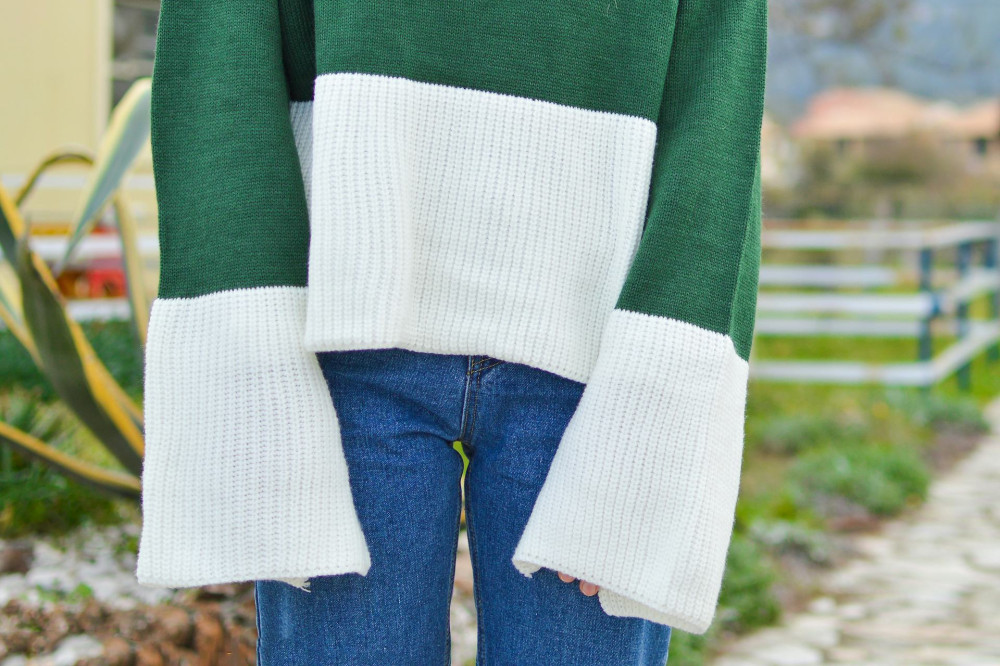
Think about the difference between a crisp cotton shirt and a chunky sweater. Each has its own personality, but together they create contrast and harmony. Texture is a powerful styling tool that lets you express individuality without relying on bold colors or patterns.
Create Contrast with Thoughtful Pairings
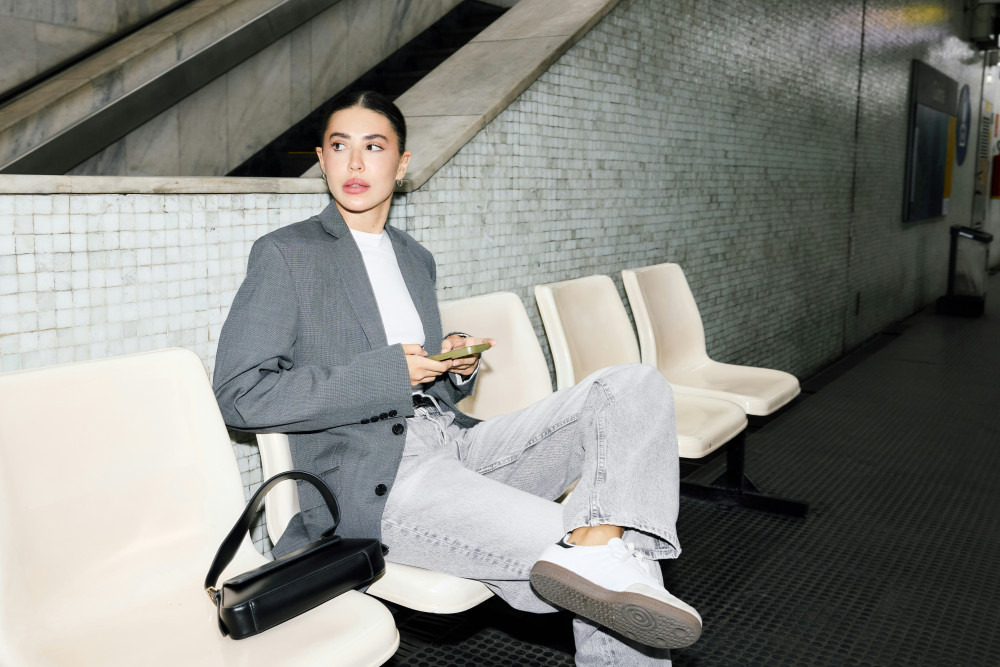
One of the most effective ways to elevate your outfit is by combining contrasting textures. When you mix smooth with rough, shiny with matte, or heavy with light, you create visual interest and balance.
- Knit and leather: A soft wool sweater paired with a sleek leather jacket strikes the perfect balance between cozy and edgy.
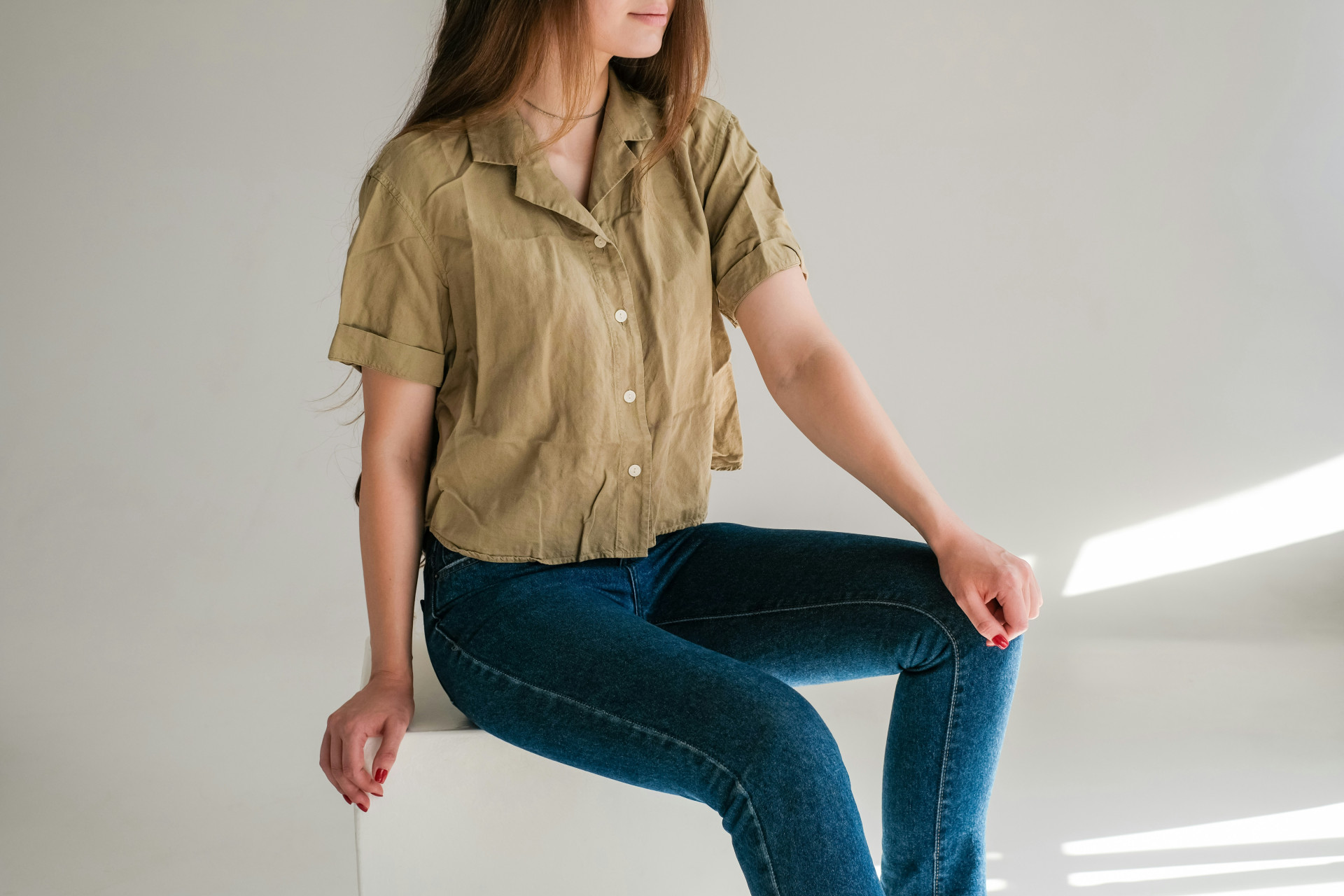
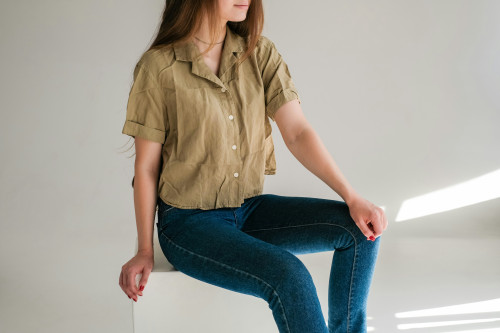
- Silk and denim: The smooth sheen of silk contrasts beautifully with the rugged texture of denim.
- Wool and cotton: A timeless combination that offers warmth and comfort without feeling bulky.
When working with contrast, balance is key. Too many textures can make an outfit feel chaotic, while too few can make it look flat. Experiment until you find the mix that feels right for your style.
Læs også:

Use Texture to Set the Mood
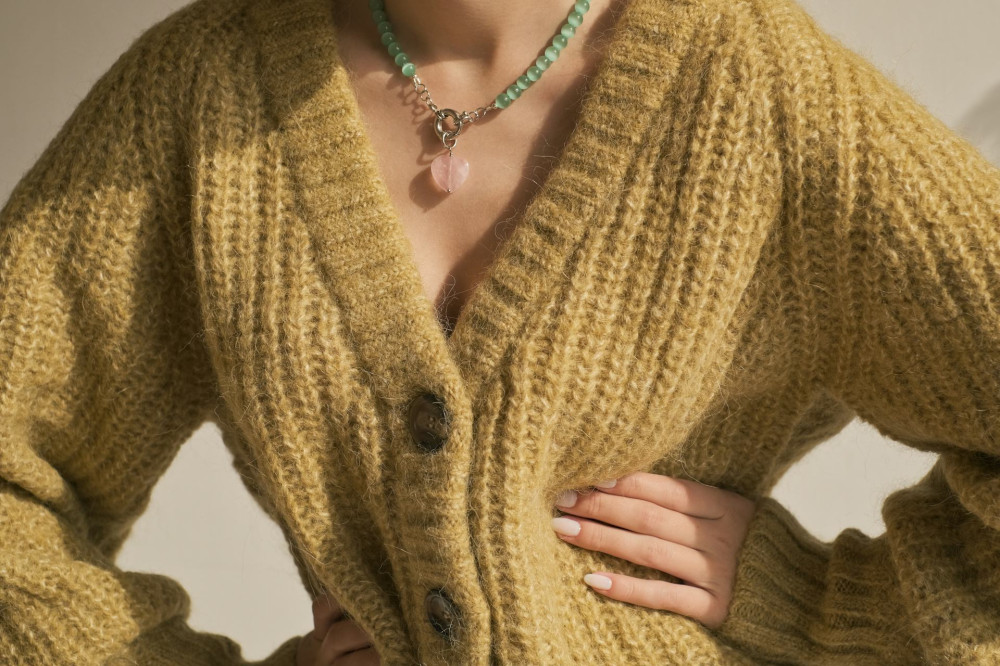
Texture doesn’t just influence how clothes look – it also shapes how they make you feel. A chunky knit sweater can evoke comfort and relaxation, while smooth fabrics like satin or silk convey elegance and sophistication.
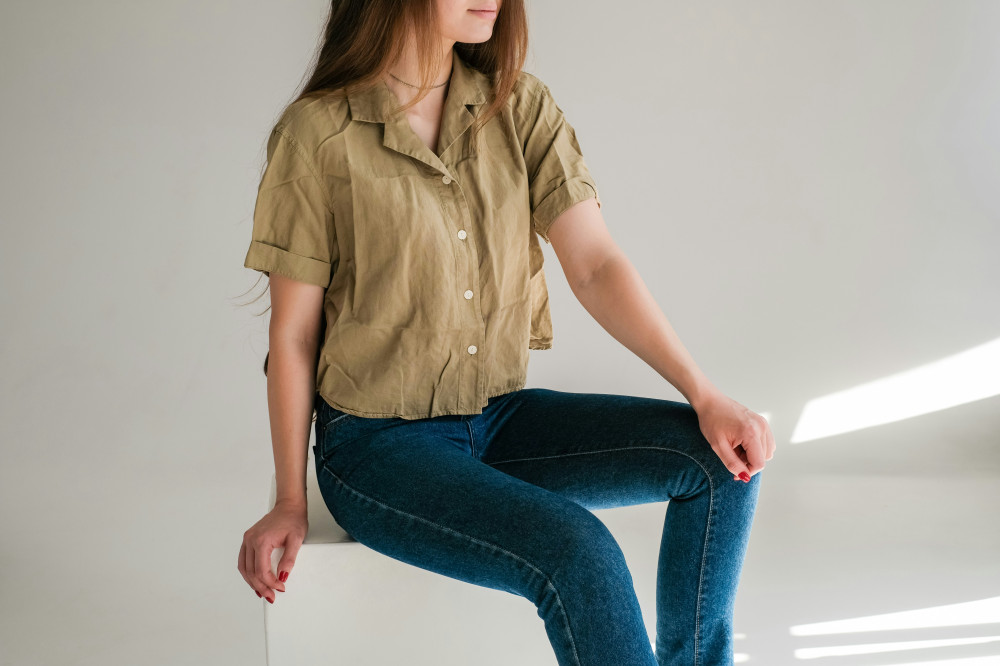
For fall and winter, reach for materials like wool, corduroy, and velvet to create a warm, inviting vibe. In spring and summer, opt for lighter, breathable textures such as linen and cotton. By choosing fabrics that reflect the season and your mood, you can use texture to tell a subtle style story.
Add Depth to Monochrome Outfits
An outfit in a single color can easily look flat – unless you play with texture. By combining fabrics with different surfaces in the same color family, you can create a sophisticated and layered look.
Imagine an all-beige outfit featuring a linen blazer, a silk blouse, and tailored wool trousers. Even though the color palette is simple, the varied textures add richness and dimension. It’s an effortless way to look polished without relying on bold hues.
Choosing Textures That Flatter You
When selecting textures, consider proportion and fit. Heavier, more structured fabrics can add volume, while smooth, lightweight materials drape closer to the body.
If you want to highlight a particular area, use texture strategically. A textured top can draw attention upward, while sleek pants or a smooth skirt can balance the look. The goal is to create harmony between how your clothes feel and how they move with you.
Above all, comfort matters. Texture should not only look good but also feel good to wear.
Express Yourself Through Fabric and Structure
Texture is one of the most underrated yet powerful elements in fashion. It can transform the mood of an outfit, add depth to neutral tones, and showcase your personal style.
By experimenting with different materials and finishes, you can create looks that feel authentic and visually engaging – whether your style leans classic, casual, or contemporary. Texture invites you to express yourself through the very fabric of what you wear.
Læs også: