Breathable Shirts for Hot Days – How to Choose the Best Materials


Breathable Shirts for Hot Days – How to Choose the Best Materials
When the temperature climbs and the sun beats down, what you wear can make all the difference between feeling fresh or sticky in the heat. A breathable shirt helps your body stay cool and comfortable—whether you’re commuting, working outdoors, or enjoying a summer hike. But what exactly makes a shirt “breathable,” and which fabrics should you look for? Here’s a guide to choosing the best materials for hot days.
What Does “Breathable” Mean?
Breathability refers to how well a fabric allows air and moisture to pass through it. When you sweat, a breathable material lets moisture vapor escape instead of trapping it against your skin. This helps regulate your body temperature and keeps you dry.
A non-breathable fabric, on the other hand, holds in heat and moisture, leaving you feeling damp and overheated. So breathability isn’t just about comfort—it’s about helping your body stay balanced in warm conditions.
Natural Fibers – Classic Choices for Cool Comfort
Natural fibers are often the go-to for breathability. Their structure allows air to circulate and moisture to evaporate naturally.
- Cotton – A summer staple that feels soft and gentle on the skin. Lightweight cotton shirts are great for everyday wear, though cotton tends to absorb moisture and dry slowly. Look for thin, loosely woven cotton for better airflow.
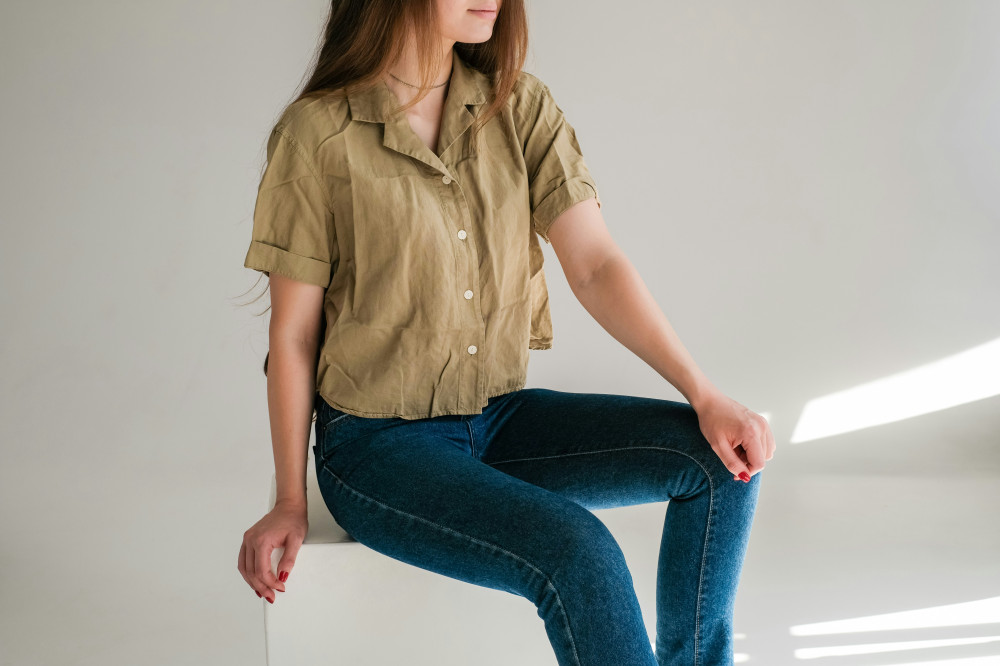
- Linen – One of the most breathable fabrics available. Linen shirts are light, airy, and have a relaxed texture that’s perfect for hot, humid weather. They wrinkle easily, but that’s part of their charm.
- Merino Wool – It may sound surprising, but fine merino wool works well in warm climates. It wicks moisture efficiently, resists odor, and regulates temperature naturally—ideal for travel or active days.
Synthetic Fabrics – Performance Through Technology
Modern synthetic fabrics are engineered to enhance moisture management and quick drying. They’re especially popular in activewear and outdoor clothing.
- Polyester and Nylon – Lightweight, durable, and quick-drying. These materials pull sweat away from the skin and dry fast, making them great for workouts or hiking. However, they can feel less natural than cotton or linen.
- Technical Blends – Many brands combine natural and synthetic fibers to balance comfort and performance. A shirt made from, say, 60% cotton and 40% polyester can offer both softness and efficient moisture control.
If sustainability matters to you, look for shirts made with recycled polyester or eco-certified fabrics to reduce environmental impact.
Fit and Weave Matter Too
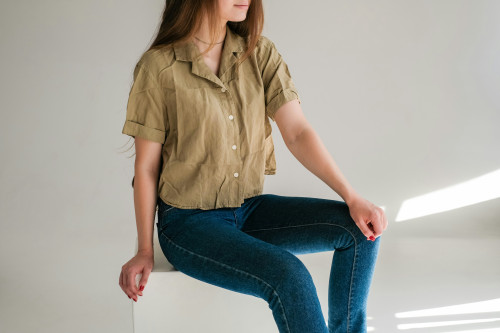
Even the most breathable fabric can feel hot if the shirt fits too tightly or the weave is too dense. A looser fit allows better air circulation, while open weaves—like mesh or pique—enhance ventilation.
Color also plays a role: lighter shades reflect sunlight better than dark ones, helping you stay cooler when you’re outdoors.
Caring for Your Breathable Shirts
To maintain breathability, wash your shirts gently and avoid fabric softeners, which can coat fibers and reduce moisture wicking. Use a mild detergent and air-dry your shirts whenever possible—it’s easier on the fabric and the environment.
Læs også:

Choosing the Right Shirt for Your Needs
- Everyday wear: Lightweight cotton or linen for a relaxed, natural feel.
- Sports and outdoor activities: Technical fabrics like polyester or merino wool for moisture control and quick drying.
- Travel: Blended fabrics that resist wrinkles and dry fast for easy care on the go.
By choosing the right materials and caring for them properly, you can stay cool, dry, and comfortable—even on the hottest summer days.
Læs også: