When Jewelry Is Passed Down – Changing Symbolism and Meaning Across Generations

When Jewelry Is Passed Down – Changing Symbolism and Meaning Across Generations
An heirloom is more than a piece of jewelry. It is a bridge between past and present, between people and memories. When a ring, bracelet, or pendant is passed down, it carries with it stories, emotions, and symbolism that evolve each time it changes hands. Today, inherited jewelry is not only a sign of tradition but also a reflection of personal interpretation and identity.
Jewelry as a Keeper of History
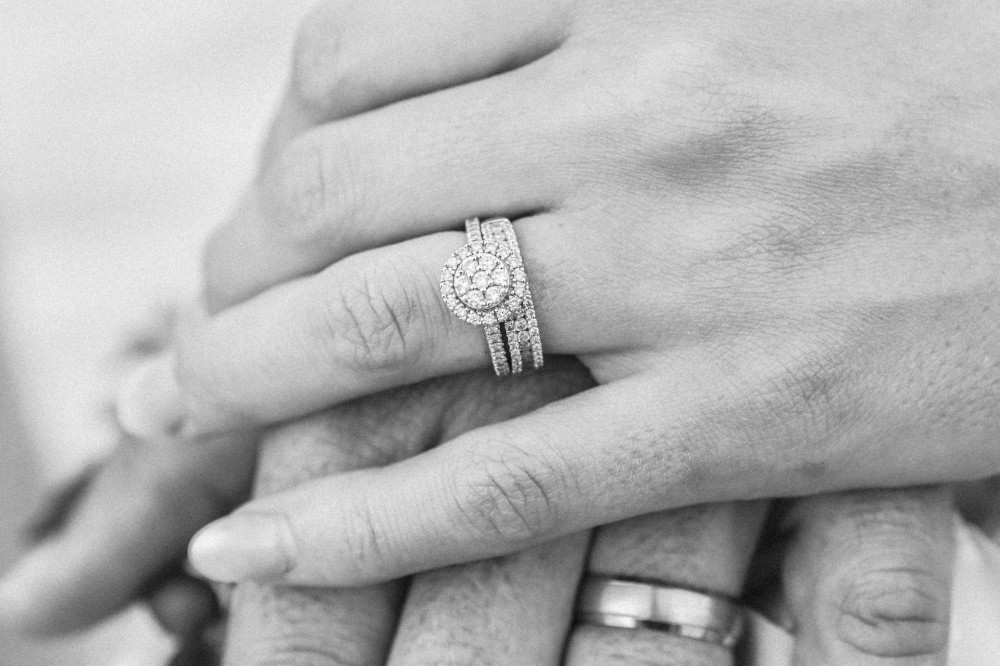
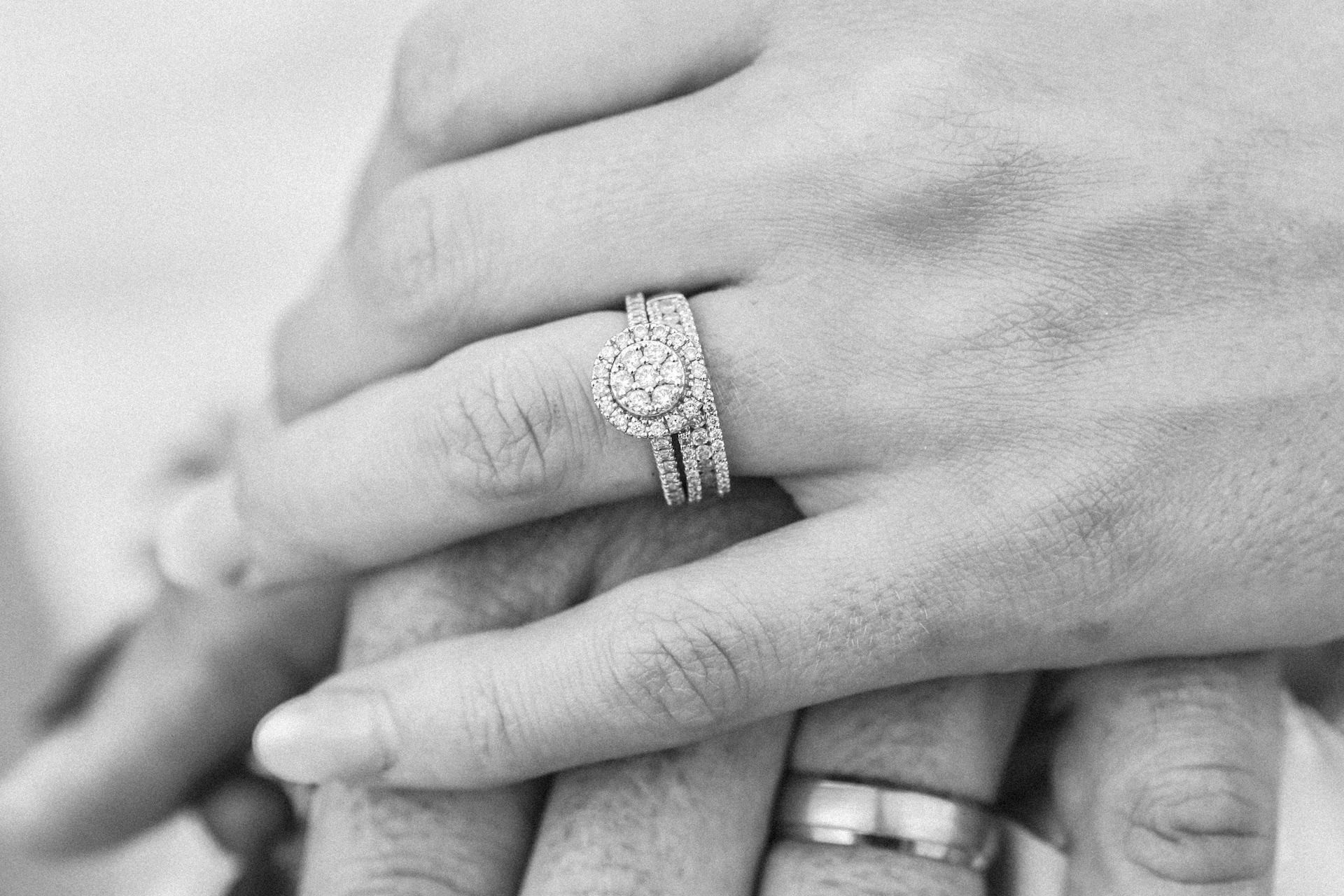
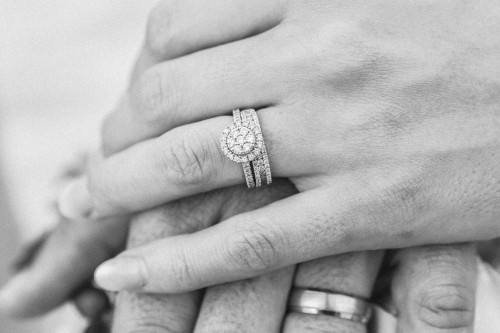
In many American families, jewelry serves as a small time capsule. A grandmother’s wedding ring, a locket given at a graduation, or a brooch worn at a wedding tells stories of love, resilience, and family milestones. These pieces become witnesses to life events—and reminders of those who came before us.
In earlier generations, heirloom jewelry was often preserved exactly as it was. It represented family heritage and social standing, and altering it was seen as disrespectful. Today, many people take a different view. They want to adapt these pieces so they fit their own style and life, while still honoring the emotional value they hold.
When Symbolism Shifts
A piece of jewelry can mean one thing to the giver and something entirely different to the receiver. A wedding ring that once symbolized lifelong partnership may, for the next generation, represent strength, independence, or the enduring bond of family. A brooch that once signified elegance and status might now be worn as a nostalgic tribute to a loved one.
This shift in symbolism reflects how our relationship with tradition and values evolves. Where earlier generations may have emphasized duty and continuity, many people today see heirloom jewelry as a way to create personal meaning from family history.
Transformation with Respect
More and more people are choosing to redesign old jewelry, giving it new life. A ring might be melted down into a pendant, or a pair of earrings might be reimagined as a modern bracelet. The materials and memories remain, but the expression becomes contemporary.
Jewelers across the U.S. report growing interest in this kind of “heritage transformation.” It’s not about erasing the past but about making it relevant in the present. Some even combine elements from several family pieces—merging stories into one deeply personal creation.
The Emotions That Come Along
Receiving an heirloom can stir powerful emotions. For some, it’s a joy and an honor; for others, it can feel like a responsibility. The jewelry becomes a symbol of connection to the person who wore it before—and of the memories one wishes to preserve.
It’s not just about aesthetics, but about finding one’s own way to carry the story. Some wear the piece daily as a quiet reminder, while others bring it out only on special occasions. Either way, it becomes part of one’s own narrative.
Læs også:

Heritage as Identity
In a time when so much feels fleeting, heirloom jewelry offers a sense of continuity. It reminds us where we come from and who we are connected to. At the same time, it allows us to reinterpret our roots in a way that feels authentic to our lives today.
When jewelry is passed down, it doesn’t just change hands—it changes meaning. It becomes a meeting point between generations, where the symbols of the past find new life in the present. And perhaps that is what makes heirloom jewelry so special: it holds both history and the possibility of writing it forward.
Læs også: