The Bag as Symbol: Order, Preparedness, and Identity


The Bag as Symbol: Order, Preparedness, and Identity
A bag is more than just a container for our belongings. It’s a familiar object that reflects both our need for order and our desire to express who we are. From the school backpack to the work tote, from the gym duffel to the designer purse, the bag accompanies us through life’s stages and becomes a symbol of preparedness, control, and identity.
The Bag as a Sign of Control and Structure
Packing a bag is a small but meaningful ritual. It’s a moment of gathering and organizing, of preparing for what lies ahead. The bag becomes a physical expression of mental readiness—a pocket of order in the midst of daily chaos.
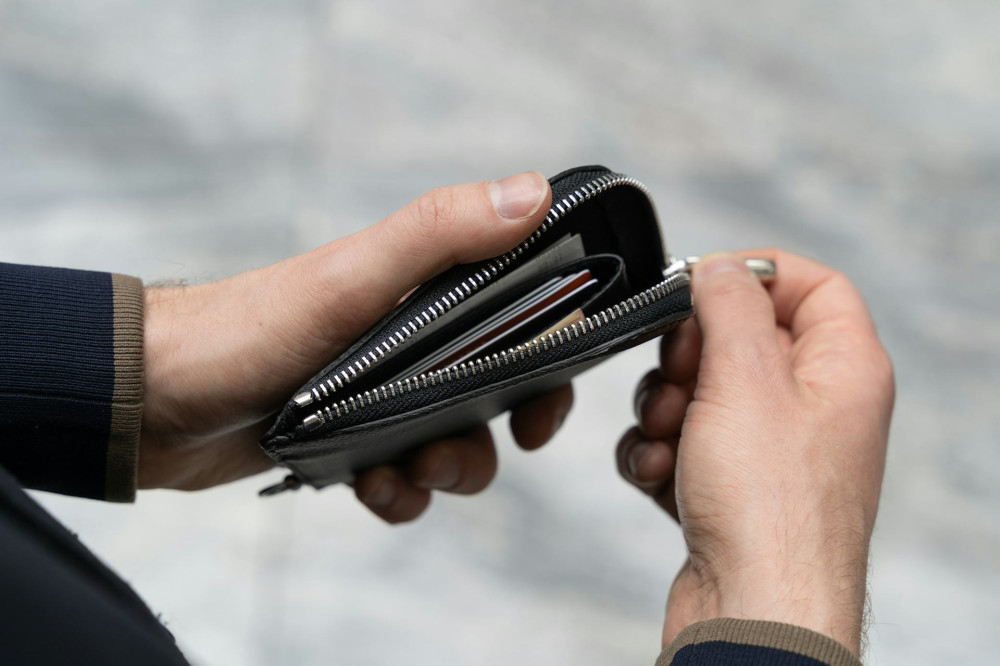
For many Americans, having a well-packed bag is a way to feel grounded. Keys, wallet, phone, laptop—everything has its place. When the bag is ready, so are we. It represents control, competence, and the ability to handle whatever the day brings. In a world that often feels unpredictable and digital, the bag offers something tangible and reassuring.
Læs også:



Preparedness as Part of Identity
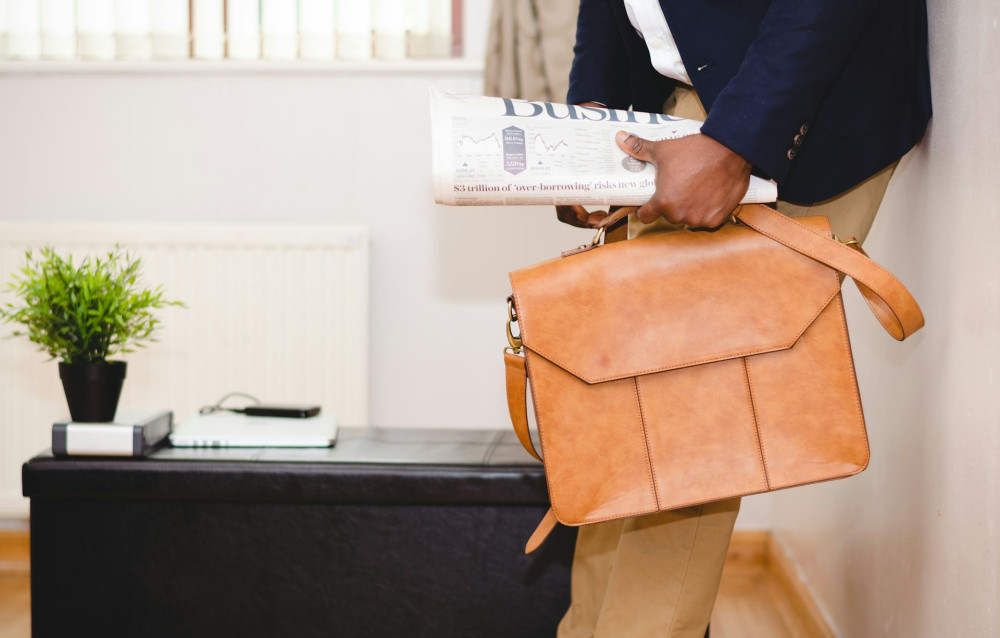
A bag also tells a story about who we are and how we want to be seen. The student’s worn backpack might signal energy and movement, while the sleek briefcase of a professional conveys focus and ambition. A large travel bag suggests curiosity and adventure; a minimalist crossbody hints at freedom and simplicity.
Choosing a bag is rarely just about function. It’s about self-presentation. We select bags that fit our lifestyle, values, and aesthetic. A canvas tote might express environmental awareness, while a luxury handbag might signal success or aspiration. In this way, the bag becomes an extension of identity—a quiet but clear statement of who we are and what we prioritize.
The Bag as a Companion Through Life
Most of us can recall specific bags tied to particular moments in our lives. The backpack that carried textbooks and dreams through high school. The first work bag that marked the beginning of a career. The suitcase packed for a long-awaited trip. Bags hold memories—not only of places we’ve been, but of the versions of ourselves we once were.
Changing bags often marks a shift in life. A new job, a new routine, a new chapter. The bag becomes a symbol of movement—of being on the way somewhere, both physically and emotionally.
A Reflection of the Times
The design and function of bags also mirror social and cultural change. Once purely practical, bags today are design statements, status symbols, and reflections of ethical choices. The modern American bag must balance style, utility, and sustainability. It needs to hold a laptop, a reusable water bottle, and perhaps a sense of purpose.
In this sense, the bag is a mirror of our era—a place where consumption, consciousness, and identity intersect. It shows how we navigate the tension between being prepared and being expressive, between practicality and personality.
The Bag as a Daily Metaphor
Each morning, when we sling a bag over our shoulder, we perform a small, familiar ritual: we get ready for the world. The bag gathers what we need, but it also carries our hopes, plans, and responsibilities. It is a symbol of movement, of carrying our lives with us—literally and figuratively.
To understand the bag as a symbol is to understand something essential about being human: our need for order, our longing for control, and our ability to create meaning through the everyday objects that accompany us.
Læs også: