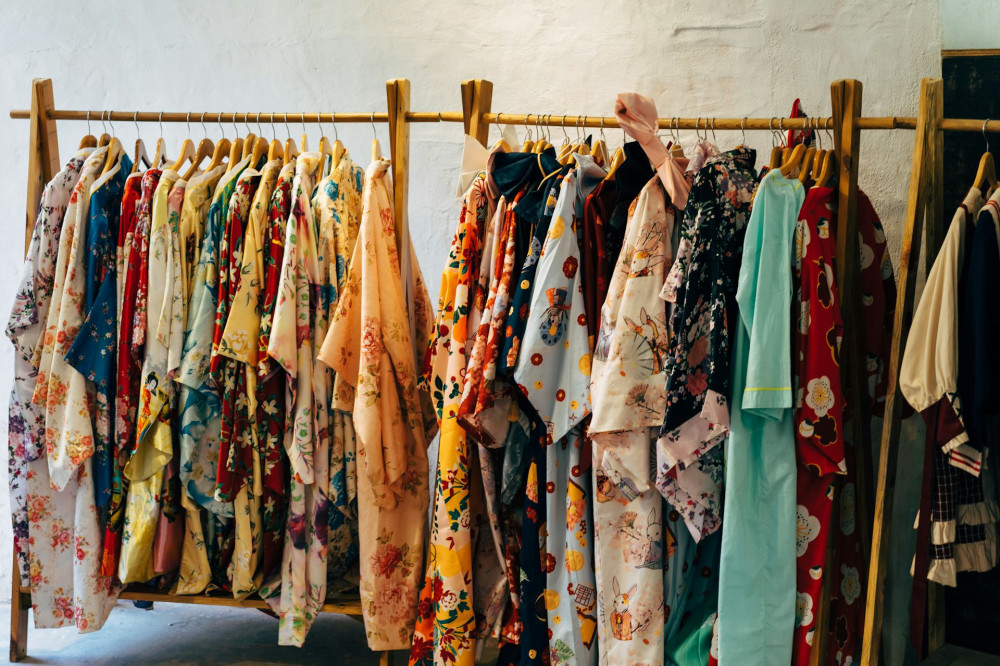
Natural or Synthetic? Choose Clothing Materials Wisely


Natural or Synthetic? Choose Clothing Materials Wisely
When you’re picking out a new outfit or browsing online for deals, you probably focus on color, fit, and price. But the fabric your clothes are made of matters just as much — for comfort, durability, and the environment. Choosing between natural and synthetic materials isn’t only about personal taste; it’s also about how your choices affect the planet. Here’s what you need to know to make informed decisions.
What Are Natural Materials?
Natural fibers come from plants or animals. The most common ones are cotton, wool, silk, and linen. They’ve been used for centuries and are often associated with quality and breathability.
- Cotton is soft, comfortable, and easy to wash, but conventional cotton farming uses large amounts of water and pesticides. Organic cotton is a more sustainable option.
- Wool keeps you warm, regulates temperature, and resists odors, but it needs gentle care and can be more expensive.
- Silk feels luxurious and smooth, though its production is resource-intensive and often involves animal farming.
- Linen and hemp are strong, quick-drying, and more eco-friendly because they require less water and fewer chemicals.
Natural fibers are biodegradable, which is a big plus, but they can wear out faster and often need more maintenance.
Synthetic Materials – Technology’s Take on Textiles
Synthetic fabrics like polyester, nylon, acrylic, and spandex are made from petroleum-based products. They were developed to make clothing cheaper, more durable, and easier to care for.
- Polyester is extremely durable, wrinkle-resistant, and quick-drying — perfect for everything from athletic wear to dress shirts.
- Nylon is smooth and stretchy, ideal for hosiery, outerwear, and activewear.
- Acrylic mimics wool but doesn’t insulate as well and can pill over time.
- Spandex (also known as elastane or Lycra) adds stretch and flexibility to jeans, leggings, and sportswear.
The downside is that synthetic fabrics are less breathable and can release microplastics when washed. These tiny plastic particles end up in waterways and oceans, harming marine life.
Environmental Impact – Looking at the Whole Life Cycle
When evaluating sustainability, it’s important to consider the entire life cycle of a garment — from production to disposal. A polyester shirt might last longer and require fewer washes than a cotton one, but it’s made from fossil fuels and is difficult to recycle. On the other hand, organic cotton is more eco-friendly to grow but may wear out faster and use more water during production.
The most sustainable choice often isn’t about one material over another — it’s about buying less, choosing quality, and taking good care of what you already own.
New Materials on the Horizon
The textile industry is constantly innovating to create fabrics that balance comfort and sustainability. Today, you can find recycled polyester made from plastic bottles or old textiles, and eco-friendly fibers like Tencel and lyocell, which are produced from wood pulp in closed-loop systems that minimize chemical waste. These innovations show that the future of fashion doesn’t have to be strictly natural or synthetic — it can combine the best of both worlds.
How to Choose Wisely
Next time you’re shopping for clothes, keep these simple tips in mind:
- Check the label – it tells you what the fabric is made of.
- Think about how you’ll use it – natural fibers are great for everyday wear, while synthetics work well for sports or rainy weather.
- Look for certifications like GOTS, OEKO-TEX, or Bluesign, which ensure responsible production.
- Buy quality over quantity – a well-made garment that lasts for years is always the greener choice.
- Wash with care – use cold water, fill the machine, and use a laundry bag for synthetics to reduce microplastic pollution.
Læs også:




A Conscious Choice for Everyday Life
Choosing clothing materials wisely isn’t about being perfect — it’s about making small, thoughtful changes. By understanding the differences between natural and synthetic fabrics, you can make choices that fit your lifestyle and protect the planet. In the end, it’s not just about whether your clothes are natural or synthetic — it’s about choosing with knowledge, respect, and care.
Læs også: