Durable Material Mix: Shoes Designed to Last

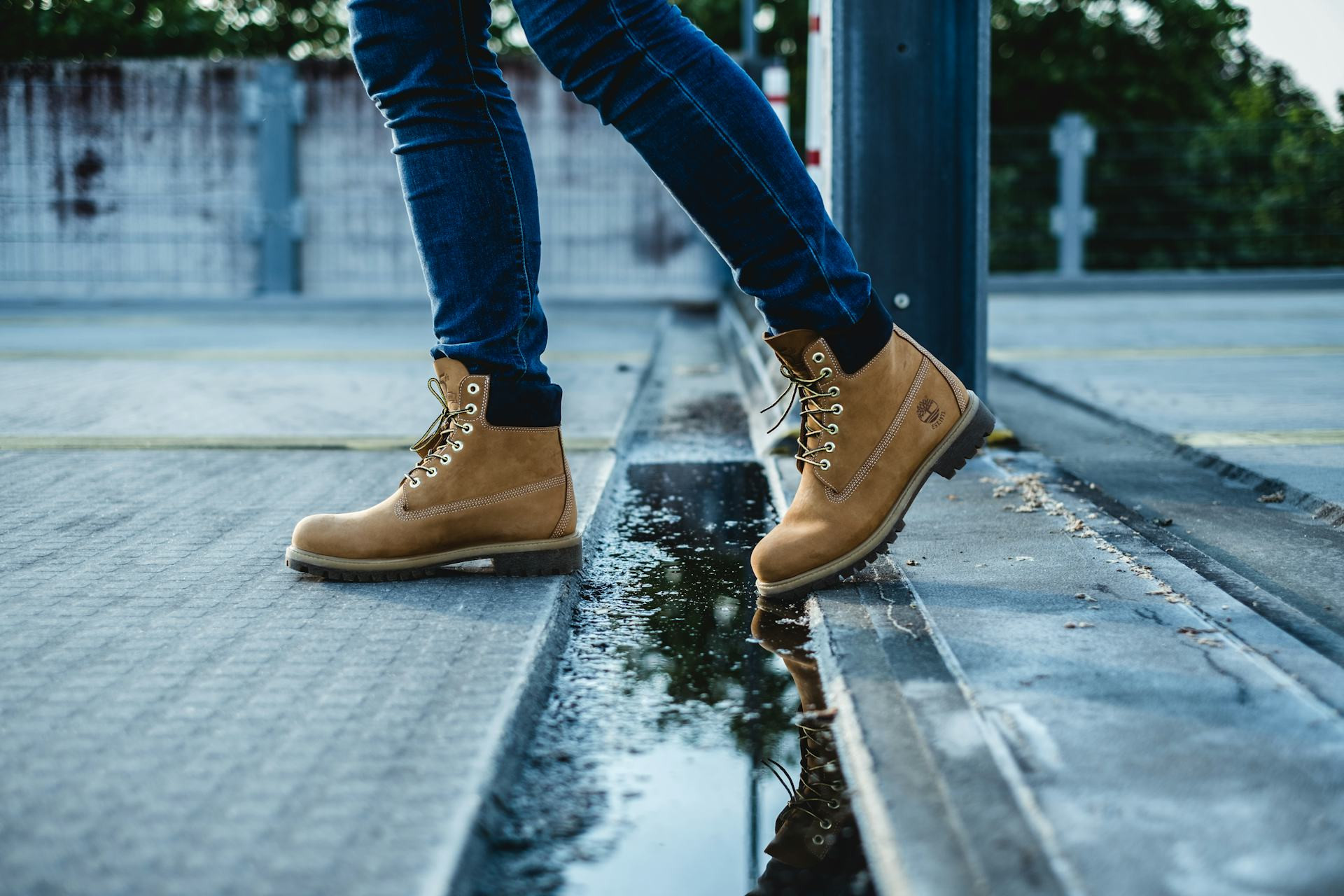
Durable Material Mix: Shoes Designed to Last
In a time when sustainability and quality are once again in focus, it’s no longer enough for shoes to simply look good—they need to stand up to everyday wear. American consumers are increasingly seeking footwear that combines comfort, style, and responsible production. This shift has inspired both established brands and emerging designers to explore durable material mixes that balance performance with environmental awareness.
From Fast Fashion to Long-Lasting Design
For years, the footwear industry was driven by fast-changing trends and inexpensive materials. But that mindset is changing. More brands are embracing the principles of “slow fashion,” creating shoes meant to last for years rather than just a single season. This approach requires rethinking everything from material selection to construction and repairability.
A truly durable shoe isn’t just about a thick sole—it’s about how every component works together: leather, textiles, adhesives, stitching, and lining. When these materials are carefully chosen and combined, the result is footwear that resists wear, moisture, and time—without sacrificing comfort.
Materials with Strength and Purpose
One of the most popular materials in long-lasting footwear is vegetable-tanned leather. Unlike chrome-tanned leather, it uses fewer chemicals and develops a rich patina over time, meaning the shoes actually look better the more they’re worn.
Recycled materials are also gaining traction. Fabrics made from repurposed plastic bottles or surplus fibers from the textile industry offer lightweight, breathable, and durable uppers. These innovations not only reduce waste but also give designers new creative possibilities.
Natural rubber, cork, and hemp are other materials making their way into sustainable shoe design. They’re renewable, resilient, and have a lower environmental footprint. When combined, these elements create a material mix that unites strength, flexibility, and sustainability.
Built for Repair, Not Replacement
Durability also means that shoes can be repaired. Many manufacturers are now designing footwear with disassembly in mind—so soles, laces, and insoles can be replaced without discarding the entire shoe.
A worn sole or a loose seam no longer has to mark the end of a shoe’s life. Instead, a simple repair can extend its use for years. This approach is both economically and environmentally smart—and it helps consumers form a stronger connection to what they wear.
Læs også:

Comfort Meets Function
Durability isn’t just about materials; it’s also about how a shoe feels. An uncomfortable shoe won’t be worn for long, no matter how tough it is. That’s why designers are focusing on ergonomic fits, cushioned soles, and flexible constructions that adapt to the foot’s natural movement.
When comfort and quality go hand in hand, shoes become a trusted part of daily life—something worth maintaining and caring for.
A Step Toward a More Responsible Future
Choosing shoes made from a durable material mix isn’t just a style decision—it’s a conscious choice. Every time we opt for quality over quantity, we reduce waste and the demand for new production.
For many Americans, this represents a new way of thinking about fashion—as an investment in something that lasts. And for brands, it’s an opportunity to create products that make a difference for both the planet and the people who wear them.
Durable shoes aren’t just a passing trend. They’re a symbol of a movement toward more responsible design—where every step truly counts.
Læs også: