Bra Materials Explained: How They Affect Comfort, Breathability, and Durability

Bra Materials Explained: How They Affect Comfort, Breathability, and Durability
When choosing a bra, it’s not just about size and style — the material plays a major role in how it feels, breathes, and lasts over time. From soft cotton to high-tech microfiber and luxurious silk, each fabric has its own strengths and trade-offs. Here’s a breakdown of the most common bra materials and how they influence comfort, breathability, and durability.
Cotton – Natural Comfort and Breathability
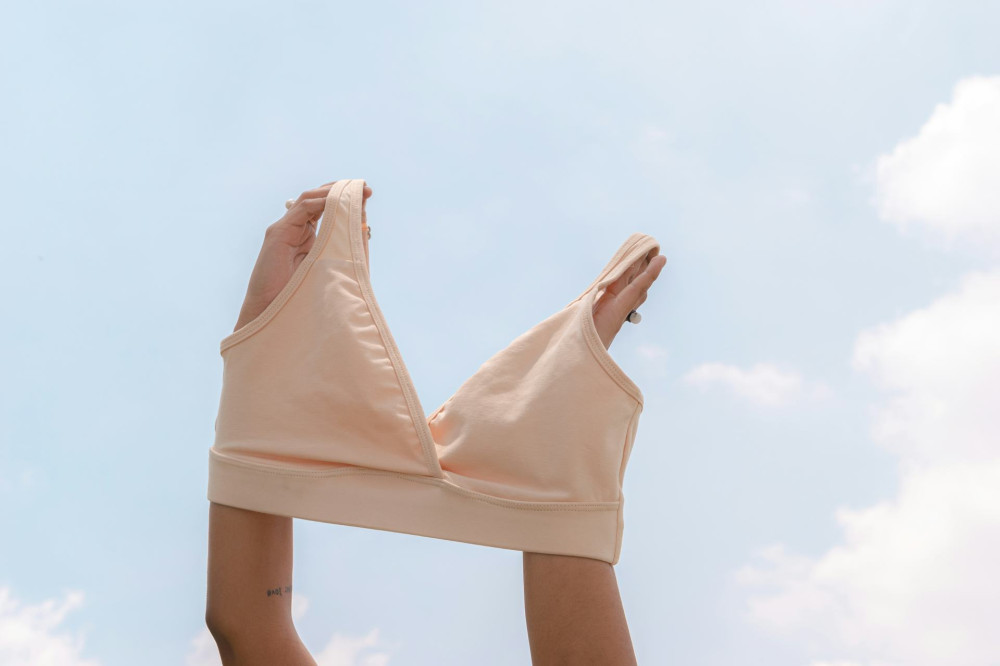
Cotton is a timeless favorite, especially for everyday bras. As a natural fiber, it’s soft against the skin and allows air to circulate, making it ideal for those with sensitive skin or anyone who prefers a more natural feel.
The main advantage of cotton is its comfort and moisture absorption. However, it can lose shape faster than synthetic fabrics and takes longer to dry after washing. That’s why cotton is often blended with spandex or elastane to improve stretch and longevity.
Læs også:
Microfiber – Lightweight, Smooth, and Quick-Drying
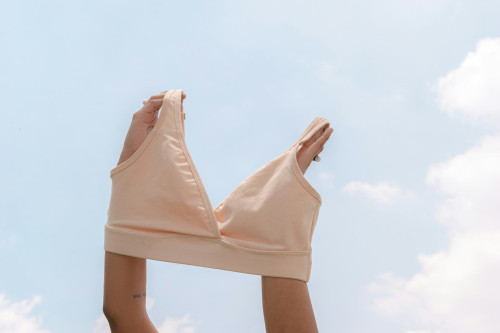
Microfiber is a modern synthetic material that’s become a go-to for many lingerie brands. It’s made from ultra-fine fibers that create a smooth, lightweight texture. Microfiber bras are known for being breathable, moisture-wicking, and quick-drying — qualities that make them great for both daily wear and active lifestyles.
This material holds its shape well and resists wear, though it can feel less “natural” than cotton. For many, microfiber offers the perfect balance of comfort, practicality, and performance.
Lace and Mesh – Style Meets Ventilation
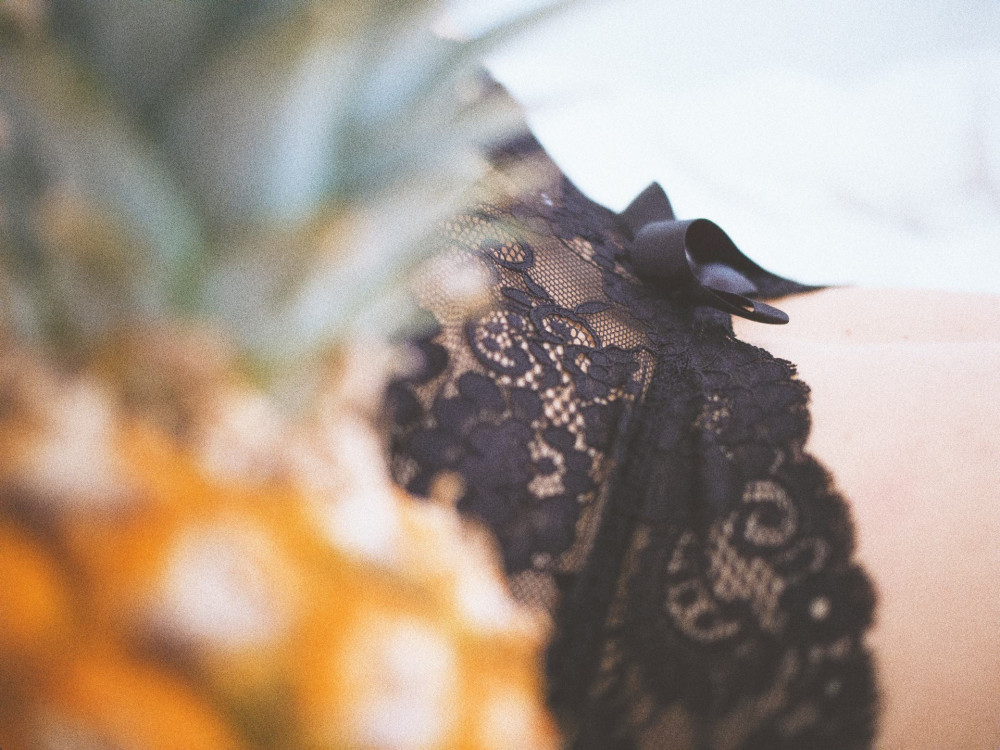
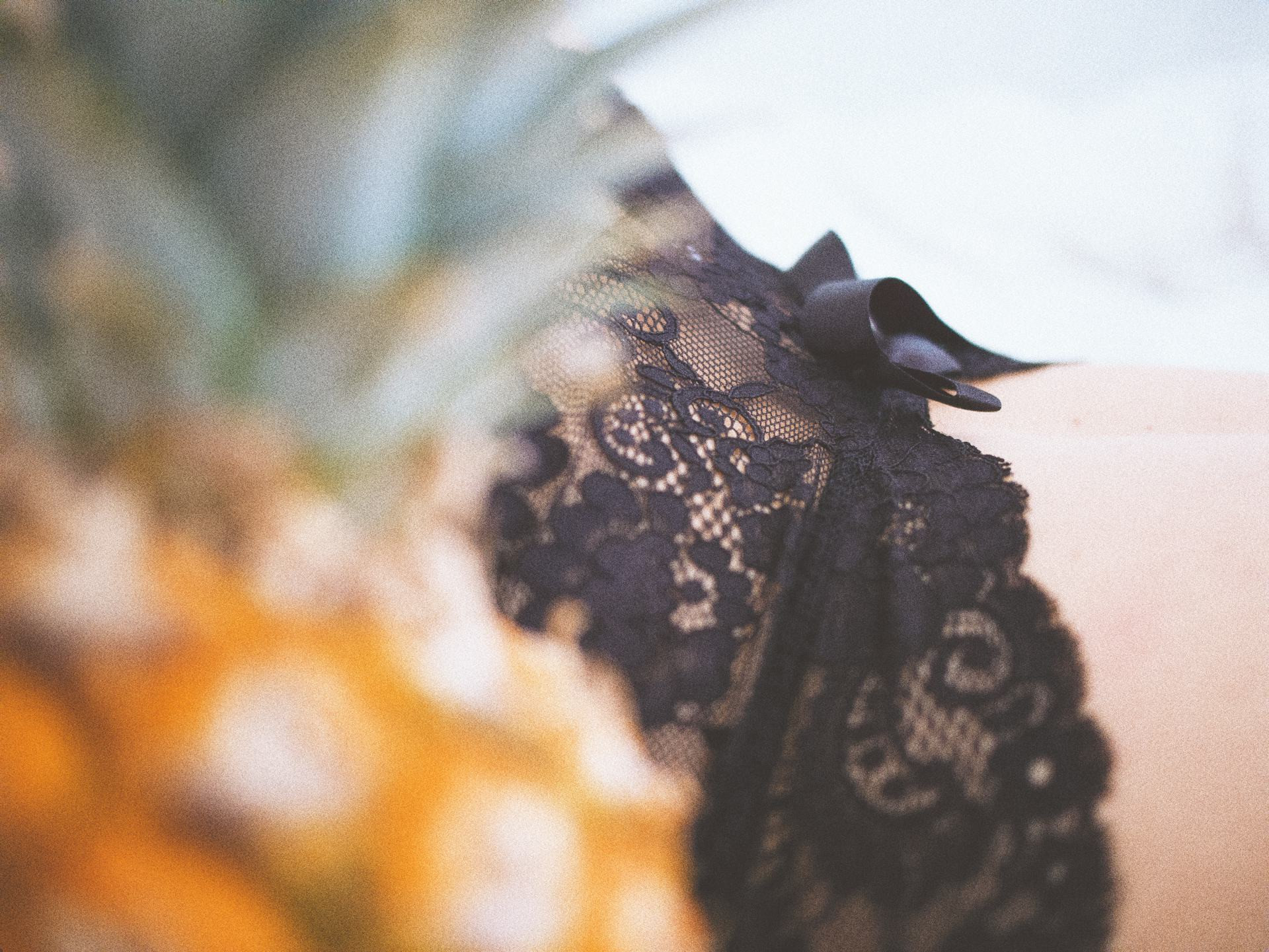
Lace and mesh are often used for their aesthetic appeal, but they also serve functional purposes. Mesh — a thin, net-like fabric — provides excellent ventilation and keeps bras light and breathable. Lace can range from soft and stretchy to more structured, depending on the weave and quality.
While these materials rarely make up the entire bra, they add both beauty and comfort. A lace bra can feel luxurious, but it usually requires gentle washing to maintain its delicate look.
Silk – Luxury and Natural Temperature Control
Silk is a premium natural fiber that feels cool in summer and warm in winter. It’s smooth, lightweight, and incredibly soft against the skin, making it a favorite for those who want a touch of luxury.
Silk bras, however, are more delicate and typically need hand washing or a gentle cycle. While not the most practical choice for everyday wear, silk is perfect for special occasions or when comfort and elegance are top priorities.
Spandex and Elastane – Flexibility and Support
Most modern bras include some amount of spandex (also known as elastane or Lycra). This synthetic fiber provides stretch and ensures the bra moves with your body while maintaining its shape. Spandex is rarely used alone — it’s usually blended with cotton, nylon, or polyester to create the right mix of flexibility and support.
Too little spandex can make a bra feel stiff, while too much can reduce support over time. The right balance gives a comfortable, adaptive fit that stays supportive throughout the day.
Polyester and Nylon – Durability and Shape Retention
Polyester and nylon are two of the most common synthetic materials in lingerie. They’re durable, shape-retaining, and easy to care for. Nylon tends to feel smoother and more elastic, while polyester is more resistant to shrinking and fading.
These materials are often combined with microfiber or spandex to create bras that keep their color and structure even after many washes.
Choosing the Right Material for You
The best bra material depends on how and when you plan to wear it:
- For everyday comfort: Cotton or microfiber offers softness and breathability.
- For workouts: Microfiber and spandex provide support and moisture control.
- For special occasions: Silk and lace add elegance and luxury.
- For sensitive skin: Natural fibers like cotton or silk are gentle and non-irritating.
Ultimately, the right bra material should feel good against your skin and fit your lifestyle. A bra isn’t just about how it looks — it’s about how it makes you feel, all day long.
Læs også: